Canadian Passport Fees Increasing on March 31, 2026: What You Need to Know
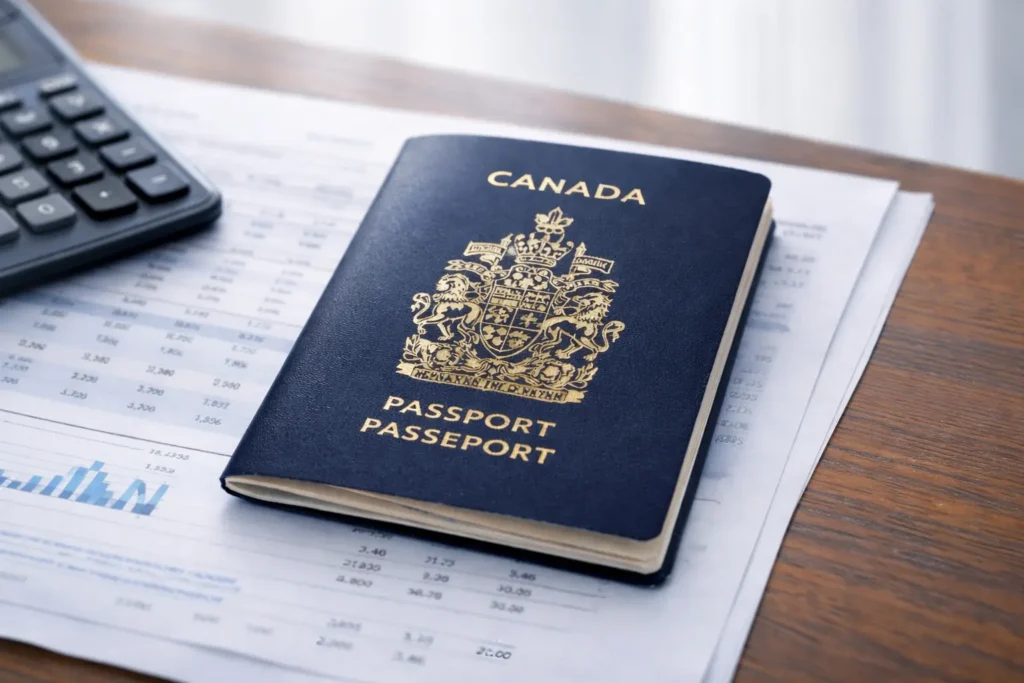
The Government of Canada has officially announced that passport and travel document fees will increase across the board at the end of this month. Starting March 31, 2026, all passport applications—whether processed domestically or abroad—will be subject to a 2.7% price increase.
This marks the first major fee adjustment in over two years, but more importantly, it signals a permanent shift in how Immigration, Refugees and Citizenship Canada (IRCC) will price its services moving forward.
Here is a comprehensive breakdown of the new fee structure, the reasons behind the hike, and what it means for your upcoming travel plans.
The New 2026 Passport Fee Structure
The 2.7% increase is directly tied to the April 2024 All-items Consumer Price Index (CPI) for Canada. While IRCC will officially round final transaction numbers, here is the projected breakdown for Canadians applying from within the country:
-
5-Year Adult Passport (16 years and older): Increasing from $120.00 to approximately **$123.24 CAD**.
-
10-Year Adult Passport (16 years and older): Increasing from $160.00 to approximately **$164.32 CAD**.
-
Child Passport (0 to 15 years of age): Increasing from $57.00 to approximately **$58.54 CAD**.
Note: Canadians applying from outside of Canada and the United States will also see the 2.7% increase applied to their respective base fees (currently $190 for a 5-year and $260 for a 10-year passport).
Why Are Passport Fees Going Up?
The Canadian Passport Program operates on a cost-recovery basis, meaning the fees collected are intended to cover the true costs of producing the documents, maintaining secure IT infrastructure, and funding the staff who process applications.
However, the program is currently facing a significant structural deficit. According to IRCC’s impact statements, the previous fee adjustment formulas failed to account for roughly 85% of the program’s operational costs. Since inflation was last accounted for, the CPI has increased by 14.5%, leading to expenditures outpacing revenues by approximately $121 million during the 2024–2025 fiscal year.
To bridge this gap without unfairly burdening domestic applicants with sudden, massive price shocks, the government has adopted a new order-in-council to standardize increases.
Annual Price Hikes Are the New Standard
If your passport is valid for a few more years, you should be prepared for higher renewal costs down the road. March 31, 2026, represents the implementation of a new payment framework where passport fees will automatically increase annually in line with inflation.
Furthermore, IRCC has confirmed that the Passport Program is currently in the middle of a “comprehensive fee structure review.” Once this review is complete, the department will submit new fee adjustment options for public consultation, meaning baseline prices could see further structural adjustments in the coming years to reflect the true cost of operations.
Strategic Advice for Applicants
If your passport is within a year of expiring, or if you are a newly naturalized Canadian citizen preparing to apply for your first passport, it is highly recommended that you submit your application before the March 31 deadline to avoid the fee increase.
Additionally, applicants should be aware that Service Canada has recently implemented a daily cap on the new online passport renewal system. If you plan to renew online, it is best to log in and initiate your application early in the day (limits reset at 7:00 AM and 7:00 PM Eastern Time) to ensure your application is accepted into the queue.
Client Testimonials
Professional Representation and Support