The Hidden Risk of Shared Driveways: Why You Must Disclose All Household Drivers to Your Auto Insurer
In Ontario, holding a valid auto insurance policy is a strict legal requirement that protects you from financial ruin in the event of a collision. However, many drivers unknowingly jeopardize this protection by misunderstanding who actually needs to be listed on their policy.
A frequent and financially devastating mistake is assuming that a standard “full coverage” policy automatically covers anyone living under the same roof. In reality, failing to disclose everyone in your household who holds a driver’s license can render your policy entirely void.
Here is what you need to know about the rules of disclosure, the risks of shared housing, and how to protect your coverage.
The “Material Change” Rule in Ontario
When an insurance company calculates your premium, it assesses the overall risk of your specific environment. Ontario drivers are legally obligated to inform their insurer of any “material change” in risk. Failing to do so is considered misrepresentation, which gives the insurer the legal right to deny a claim and cancel your policy.
You are required to notify your broker or insurer if:
-
A new person moves into your home who possesses a driver’s license.
-
An existing household member earns or upgrades their license (e.g., moving from a G1 to a G2).
-
A college or university student returns home for the summer with a valid license.
The Roommate Trap: Why Insurers Care About Your Housemates
It is a common misconception that “household drivers” refers only to spouses or teenage children. Insurance companies look at physical addresses, not just family relationships. If you are renting a house with friends or subletting a basement apartment to a licensed driver, your insurer considers this a shared living environment.
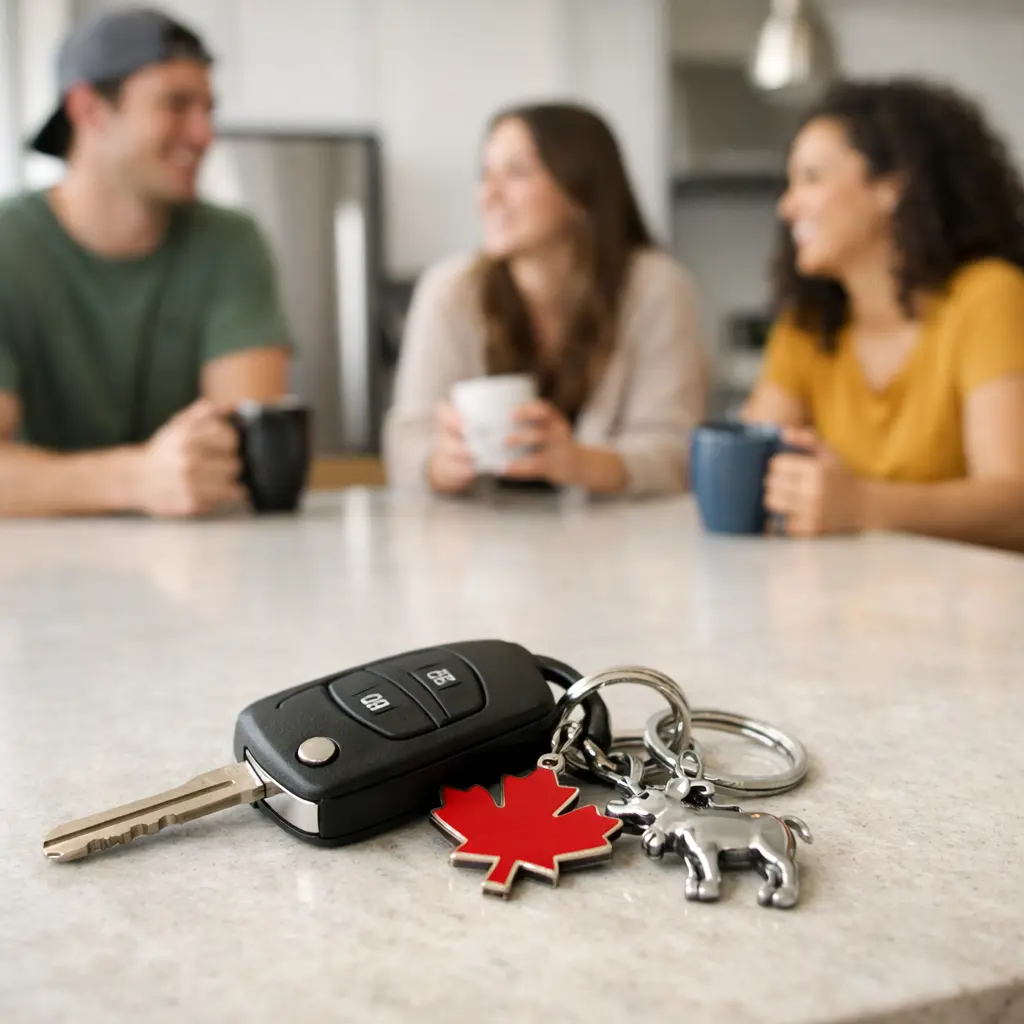
Consider a standard shared housing scenario: keys are frequently left on kitchen islands, entryway tables, or living room couches. Even if your roommate has their own vehicle, or if they borrow your car only once a year to run a quick errand, they have reasonable and regular access to your vehicle. The insurance company views this proximity as a measurable risk factor.
If a roommate or undisclosed family member gets into an accident while driving your vehicle, the insurer will investigate. Once it discovers an unlisted licensed driver living at your address, it can deny the claim entirely based on material misrepresentation—leaving you personally liable for damages and potential personal injury lawsuits.
How to Protect Your Coverage and Your Assets
To ensure you are never left paying out of pocket after a severe accident, take these proactive steps:
-
Disclose everyone: Inform your insurer of every licensed individual living at your address, regardless of whether they are family, friends, or tenants.
-
Use the OPCF 28A form: If you live with a licensed driver whom you absolutely do not want driving your car (and you want to avoid paying a higher premium to list them as a secondary driver), ask your broker about an Excluded Driver form (OPCF 28A). By signing this, you explicitly agree that if this specific person drives your car and crashes, there will be absolutely no insurance coverage.
-
Update promptly: Do not wait for your annual renewal to disclose that a household member has received their G2. Report it immediately.
Seek Experienced Legal Counsel
Insurance policies are incredibly complex contracts, and companies strictly enforce their terms when evaluating a claim. If you or a loved one has been injured in a motor vehicle collision and is facing an unjustly denied claim or a voided policy, securing experienced legal representation is critical to protecting your rights.
Client Testimonials
Professional Representation and Support