Express Entry French-Language Draw: CRS Score Plummets to 393
March 18, 2026 — Immigration, Refugees and Citizenship Canada (IRCC) continues to aggressively target bilingual candidates, conducting another massive draw dedicated entirely to French speakers.
In a highly anticipated move, IRCC issued 4,000 Invitations to Apply (ITAs) under the French-Language Proficiency category. Most notably, the Comprehensive Ranking System (CRS) cut-off score dropped to 393, lowering the barrier to entry even further than the draw seen earlier this month.
Here is a detailed breakdown of the March 18 draw and why French proficiency remains the most strategic pathway for Canadian permanent residence.
March 18 Express Entry Draw Details
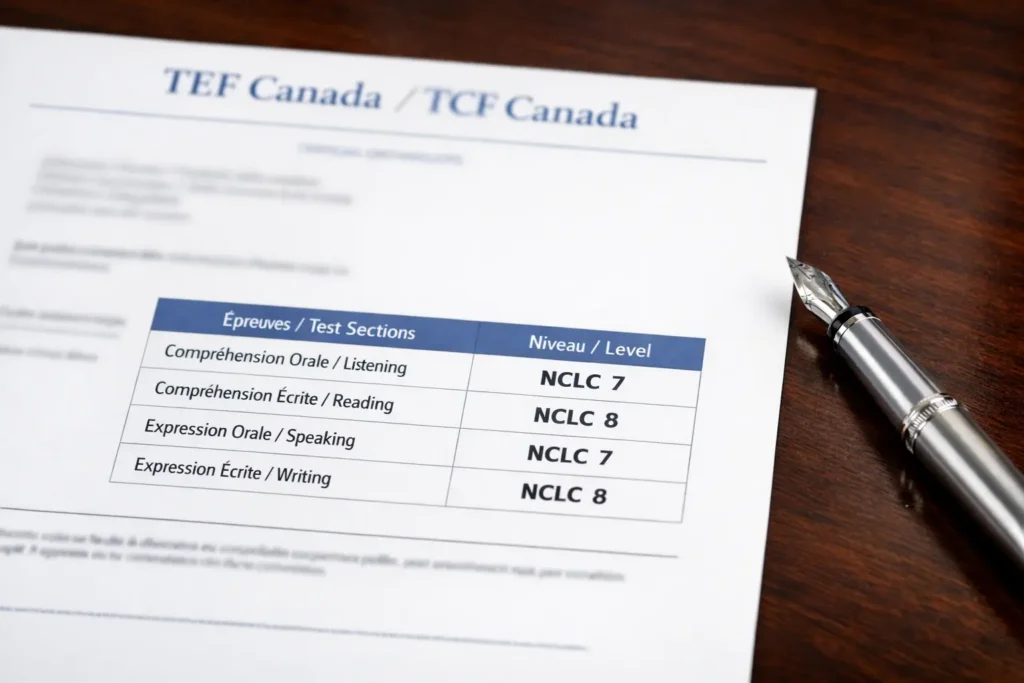
This targeted round of invitations strictly selected candidates who have demonstrated French-language proficiency, specifically those who have achieved an NCLC 7 or higher on all four language abilities (reading, writing, listening, and speaking).
-
Draw Date: March 18, 2026
-
Draw Type: French-Language Proficiency (2026-Version 2)
-
Invitations to Apply (ITAs) Issued: 4,000
-
Minimum CRS Cut-Off Score: 393
-
Tie-Breaking Rule: December 29, 2025, at 12:47:31 UTC. (Candidates with exactly 393 points were only invited if their Express Entry profile was submitted before this specific date and time).
Legal Analysis: The Growing Gap Between CEC and French Draws
This draw underscores a defining trend in Canadian immigration for 2026: the overwhelming advantage of speaking French.
To put this CRS score of 393 into perspective, we must look at the broader Express Entry landscape. Just yesterday, on March 17, IRCC conducted a Canadian Experience Class (CEC) draw where the cut-off score was celebrated for dropping to a “low” of 507.
The staggering 114-point difference between yesterday’s CEC draw (507) and today’s French-language draw (393) clearly illustrates the government’s priorities. A candidate can realistically achieve a score of 393 without Canadian work experience, without a provincial nomination, and without a LMIA-supported job offer, provided they meet the language requirements.
Furthermore, this score of 393 is a direct drop from the previous French-language draw on March 4, which had a cut-off of 397. This downward trend indicates that IRCC is committed to clearing the pool of eligible Francophone candidates to meet its 2026 mandates.
Strategic Next Steps for Express Entry Candidates
For candidates currently in the pool, the data presents a clear mandate:
-
Submit Early: The tie-breaking rule for this draw was pushed back to December 2025. This highlights the importance of getting your profile into the pool as soon as you are eligible, rather than waiting to perfect your score before submitting.
-
Commit to Language Training: If your CRS score is languishing in the low 400s and you are relying solely on standard CEC or General draws, the most actionable step you can take is to begin formal French training. Achieving an NCLC 7 unlocks this specific, low-score pathway and adds substantial bonus points to your baseline profile.
-
Verify Your Test Results: If you have already taken the TEF or TCF Canada, ensure your results are still valid (they are valid for two years from the test date) and that your Express Entry profile accurately reflects your exact scores.
Have You Received an ITA?
If you are among the 4,000 candidates invited today, you now have a strict 60-day window to submit a complete permanent residence application. The application must flawlessly reflect the claims made in your initial profile, particularly regarding your language test scores and work experience.
The immigration legal team at Cambria Law Firm in Mississauga is highly experienced in guiding candidates through the final, critical stages of the Express Entry process.
Contact Cambria Law Firm today to ensure your permanent residence application is legally sound and submitted flawlessly. ***
Would you like me to draft a quick social media caption to accompany this blog post when you share it?
Client Testimonials
Professional Representation and Support