Need help with your Canadian immigration matter?
Our immigration team can help with applications, refusals, appeals, and next steps. Contact us today for a no-obligation consultation.

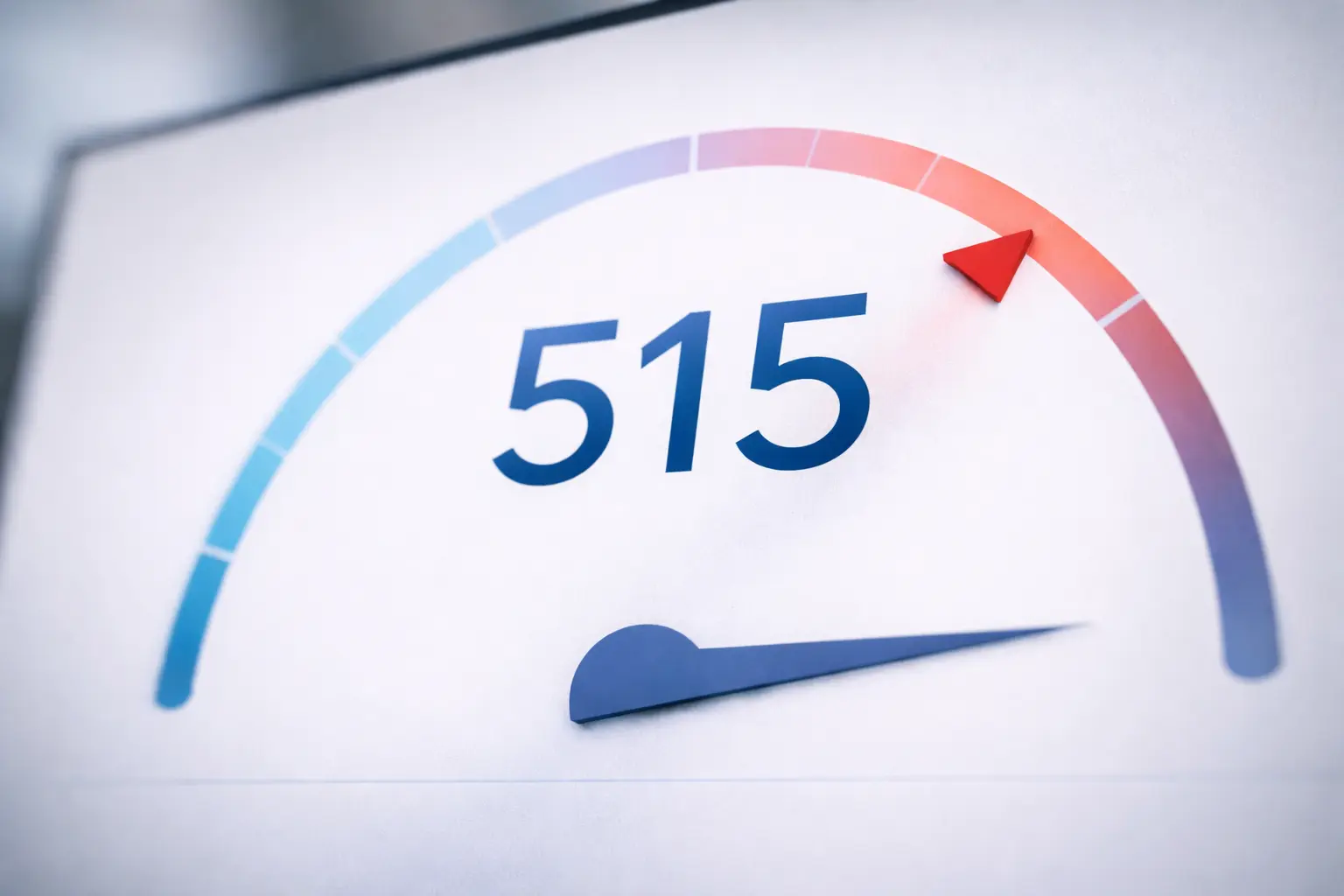
IRCC issued 2,000 invitations to apply through the Canadian Experience Class on April 14, 2026, with a minimum CRS cutoff of 515 — the highest CEC cutoff recorded in 2026 so far. Eligible profiles needed to have been created before 2:46 a.m. UTC on June 10, 2025.
This is the seventh CEC draw of the year and the twenty-second Express Entry selection overall. The six-point jump in the CRS cutoff — from 509 in the March 31 draw to 515 today — is the largest single increase between CEC draws seen all year. It is also the smallest CEC draw of 2026, with 2,000 invitations compared to the 4,000 to 8,000 range seen in earlier rounds.
Together, the rising cutoff and the shrinking draw size are sending a clear signal: the CEC is becoming more competitive, not less.
The CEC CRS cutoff has now risen from 507 in March to 515 today — an 8-point increase in six weeks. At the same time, draw sizes have shrunk from 6,000-8,000 to 2,000-2,250. These two trends together mean fewer people are being invited at higher score requirements.
Earlier in 2026, the CEC was running draws at 507 to 511 with volumes of 4,000 to 8,000 invitations per round. Today’s 515 cutoff with only 2,000 invitations represents a meaningful tightening. For candidates sitting at scores in the 490 to 514 range, this draw passed them by — and the trend line is moving in the wrong direction.
The CEC queue data from the April processing update explains why. The CEC queue grew by over 10,000 applications in a single month and has added more than 20,000 applicants since February. New applications are arriving faster than IRCC is clearing them. When a pool grows rapidly, cutoff scores rise. The queue growth reported last week is showing up directly in today’s cutoff number.
Looking at all seven CEC draws in 2026, the trajectory is clear. The year opened with draws at 511 and 509 with volumes of 6,000 to 8,000 invitations. Through February and March, cutoffs held in the 507 to 509 range with draws of 4,000 to 6,000. The March 31 draw dropped to 2,250 invitations — the first sign of shrinking volume. Today’s draw has continued that trend with 2,000 invitations and a 515 cutoff.
In total, the CEC has issued 32,250 invitations in 2026, making it by far the most active draw type of the year. But the per-draw volume is declining and the cutoff is rising. For candidates who have been waiting in the pool hoping for selection at a lower score, the window is narrowing.
IRCC proposed on April 8 to retire the Canadian Experience Class entirely as part of the Express Entry overhaul. The CEC is still running draws — but it is operating under a deadline that has not yet been announced.
This is the most important context for every CEC candidate right now. The program issuing today’s invitations is the same program IRCC has proposed retiring and replacing with a single new consolidated class. The details of when the transition will happen, what the new eligibility requirements will be, and how current pool profiles will be treated have not been confirmed.
What that means practically: a CEC candidate who receives an ITA under the current program and submits a complete PR application before the transition takes effect is operating under known rules. A candidate who waits — hoping for a lower cutoff in a future draw, or waiting to see what the new program looks like — is taking on uncertainty that did not exist six months ago.
The strategic case for acting now under the current CEC framework has never been stronger. The cutoff is rising, draw sizes are shrinking, the program is under a retirement proposal, and the queue is growing. None of those trends favour waiting.
Today’s draw is the sixth major immigration development in seven days from Cambria Law’s coverage this week. The week began with IRCC’s proposal to retire all three Express Entry programs on April 8, followed by detailed CRS overhaul proposals on April 10, the OINP April 8 draw results, the IRCC processing time update showing CEC queue growth, the April 13 PNP draw, and now today’s CEC draw with its highest 2026 cutoff.
For CEC candidates specifically, these developments combine into one clear message: act under the current program before it changes, because the direction of every relevant trend — cutoff scores, queue size, draw volume, and the program’s proposed retirement — points toward conditions getting more difficult, not easier.
Cambria Law’s immigration team is available now to assess your CEC profile, identify the fastest path to selection under current rules, and prepare a complete PR application that is ready to submit the moment you receive an ITA.
With the CEC proposed for retirement and cutoffs rising, the time to act is today — not after the next draw, and not after the new program details are announced.
Our immigration team can help with applications, refusals, appeals, and next steps. Contact us today for a no-obligation consultation.